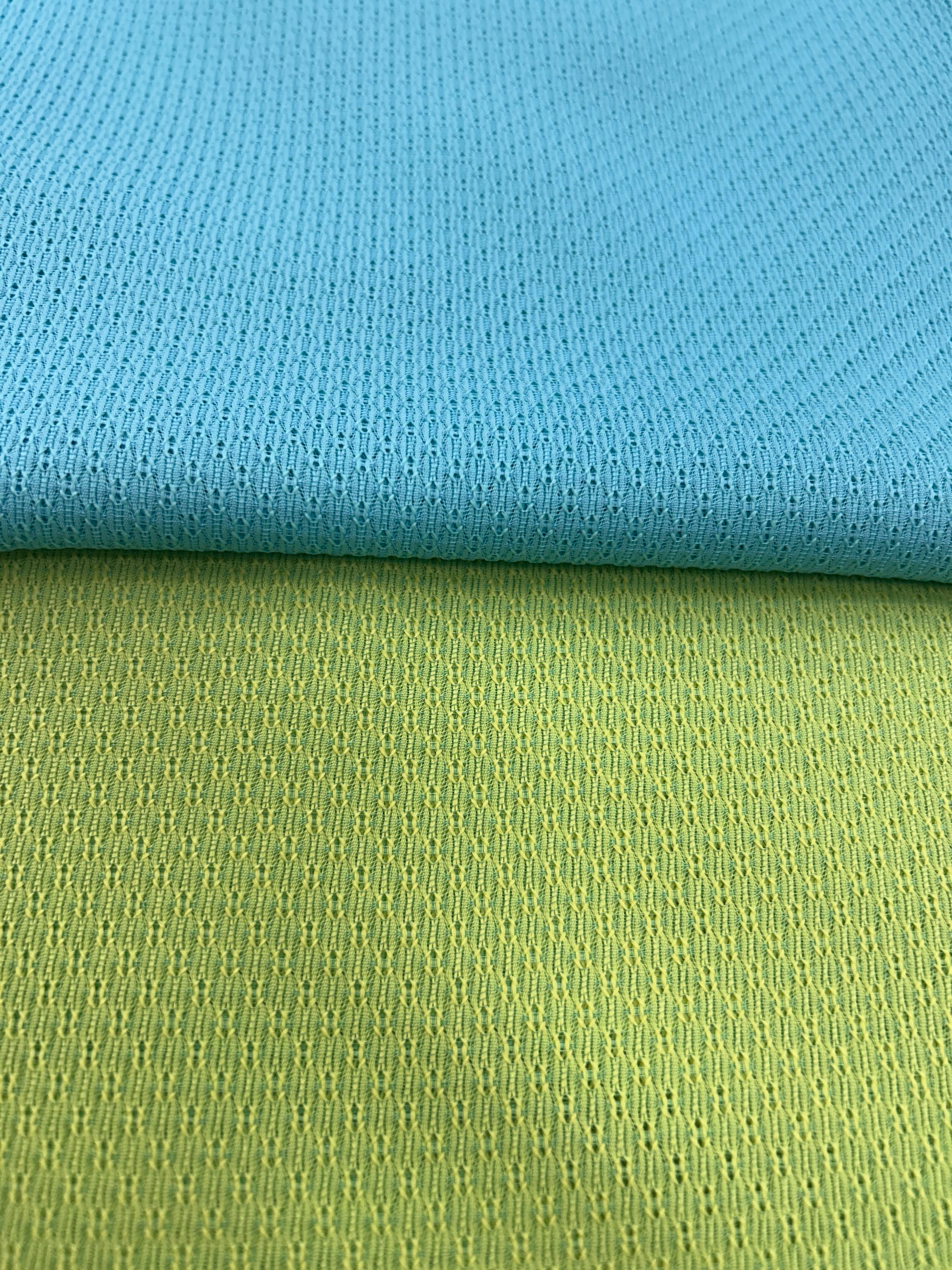
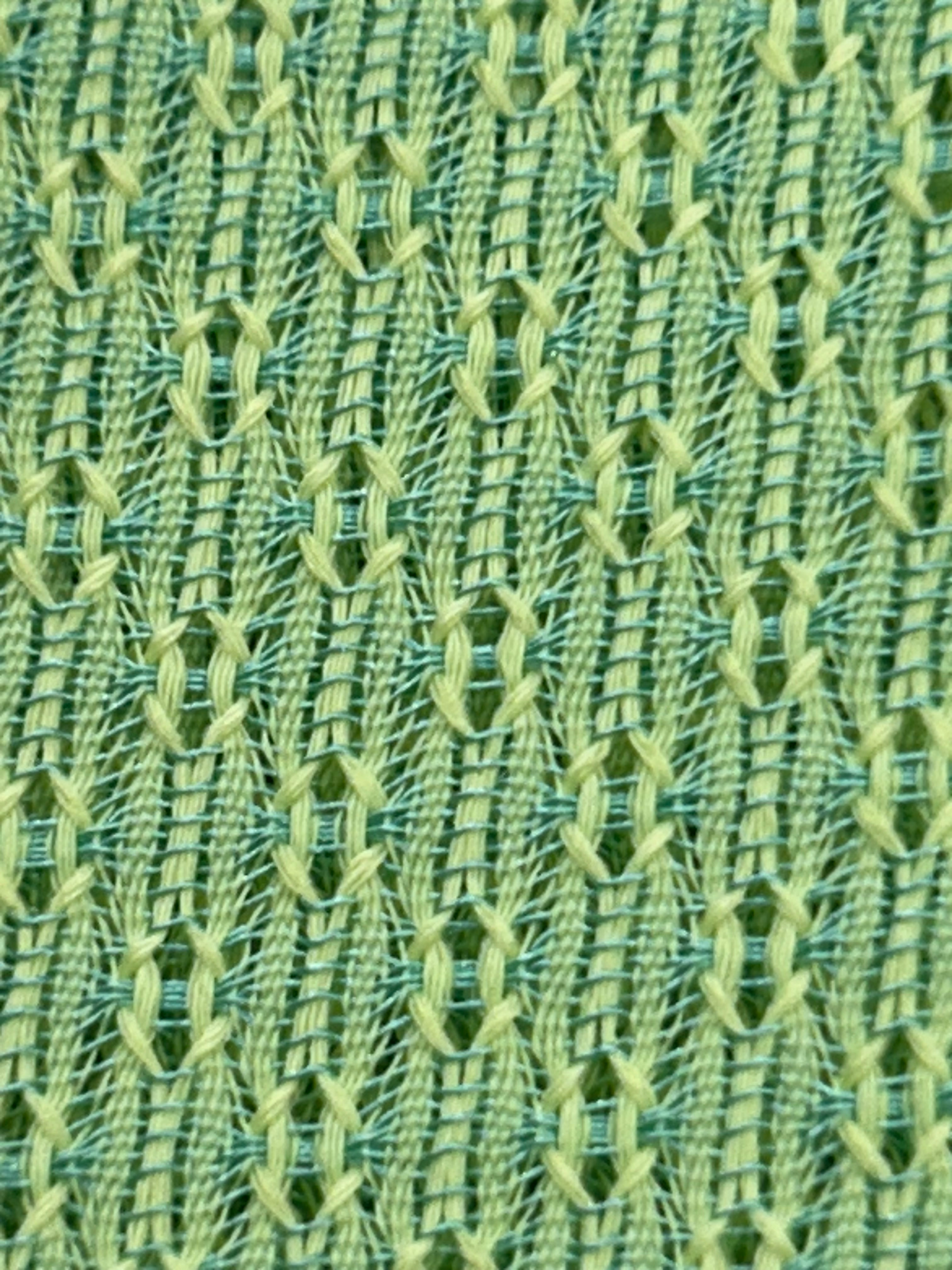
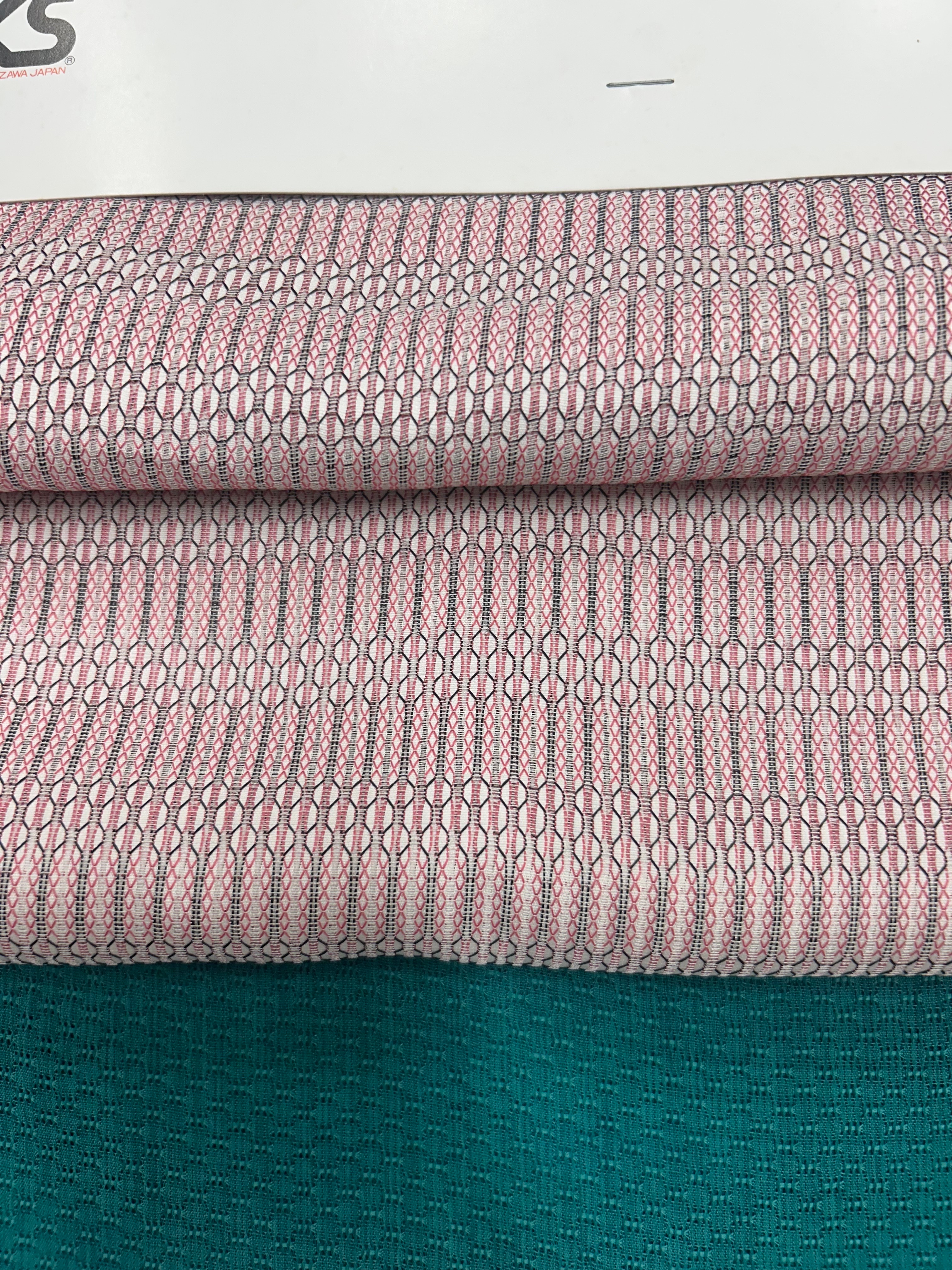
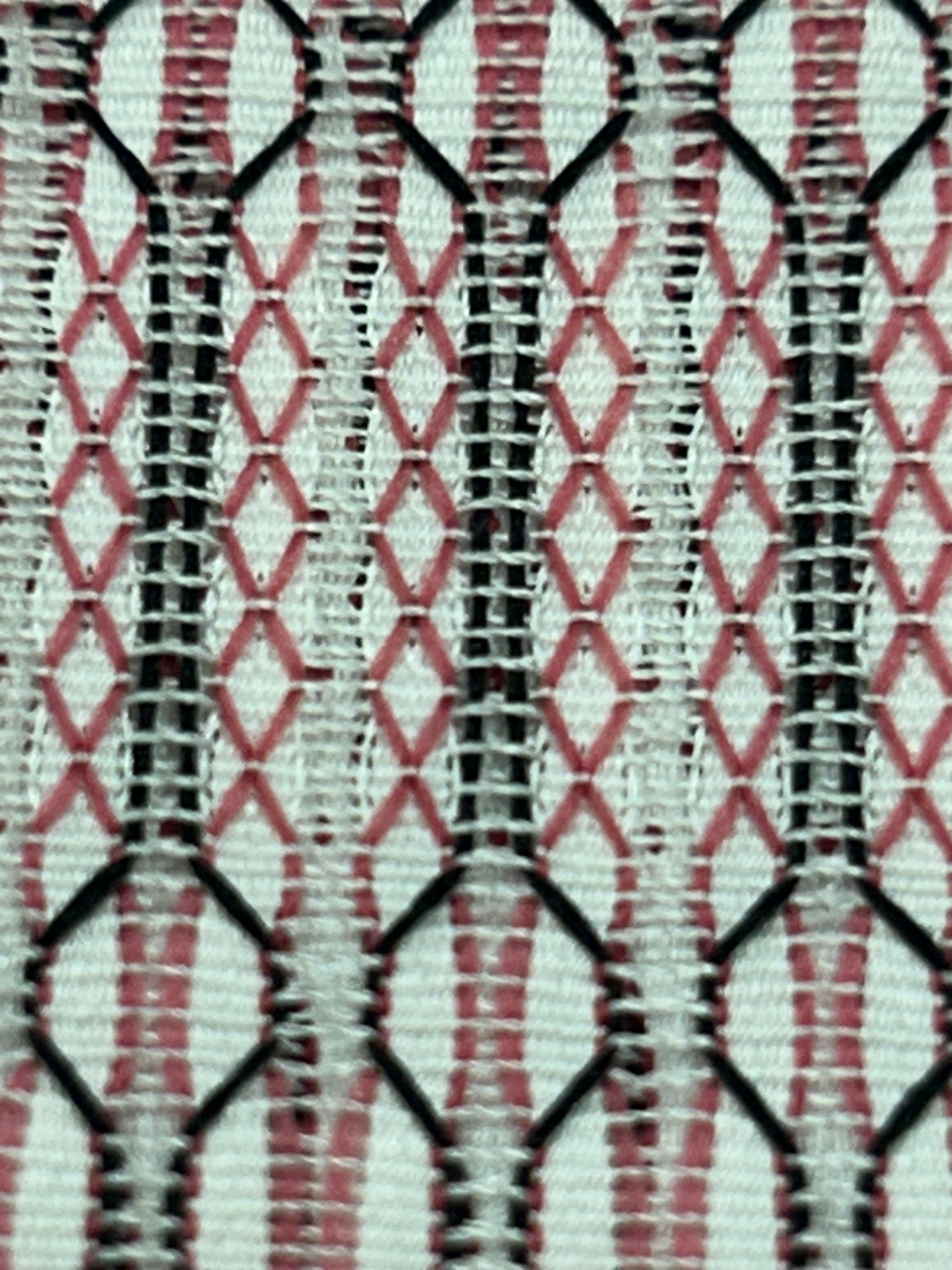
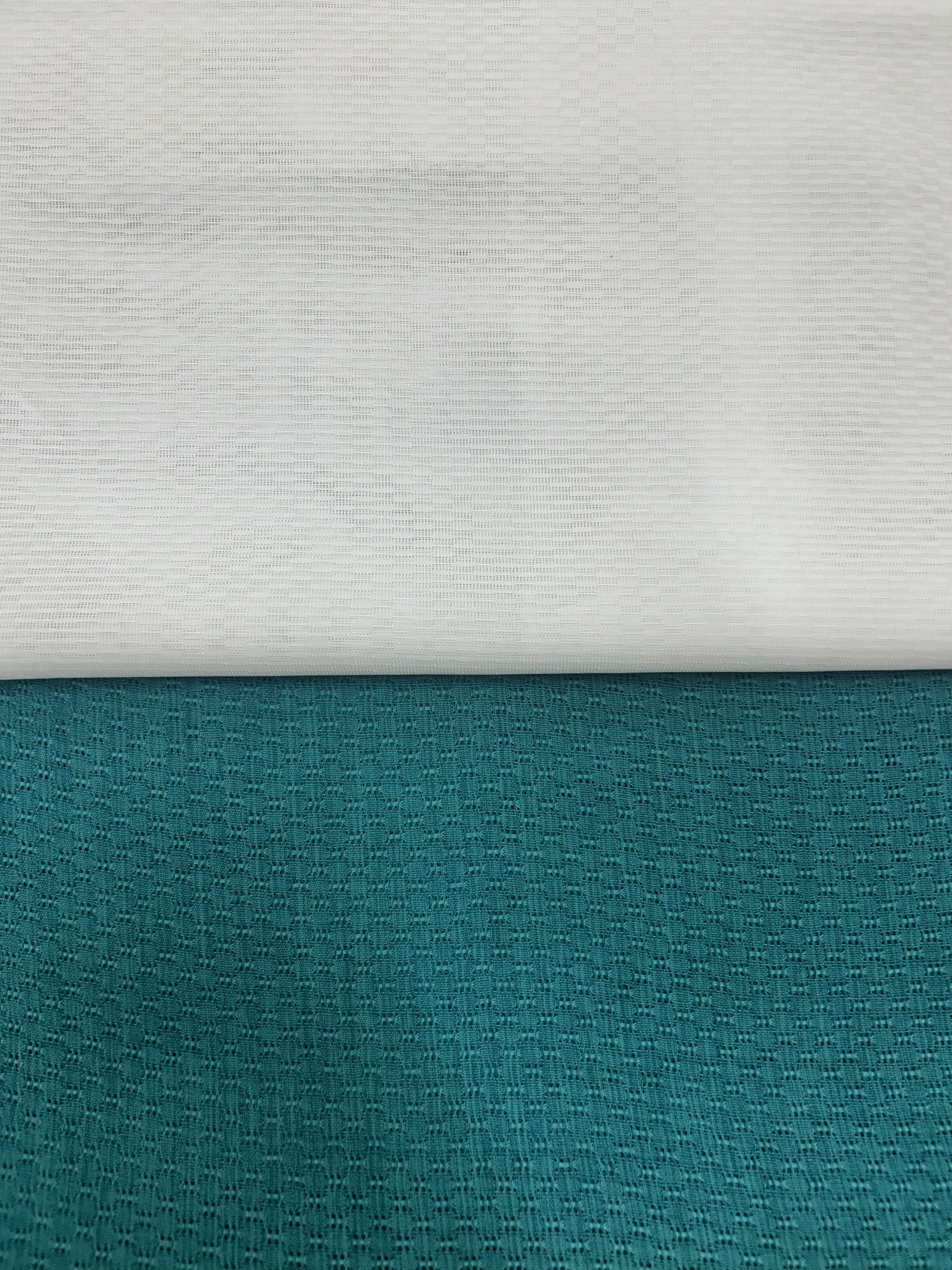
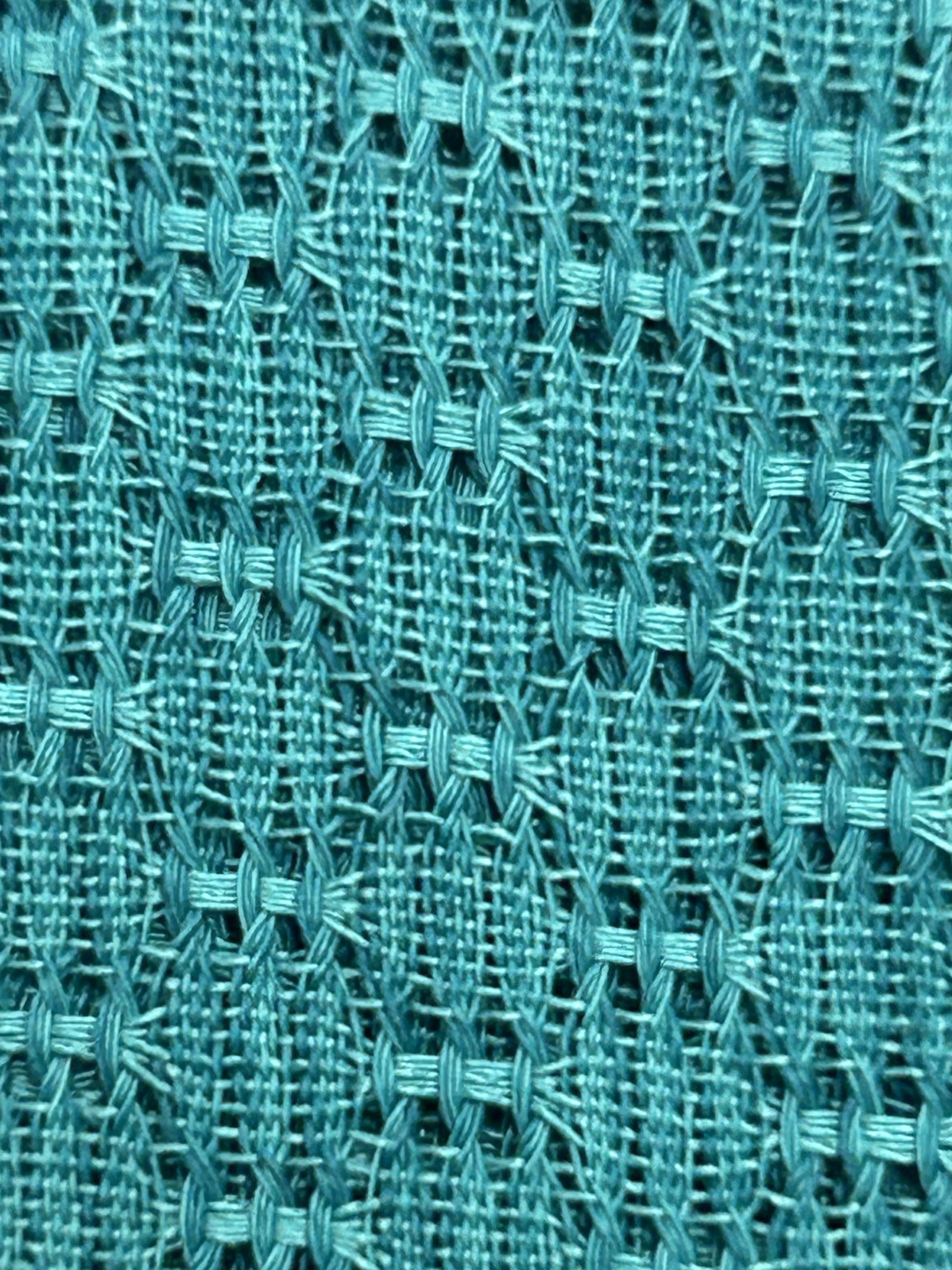
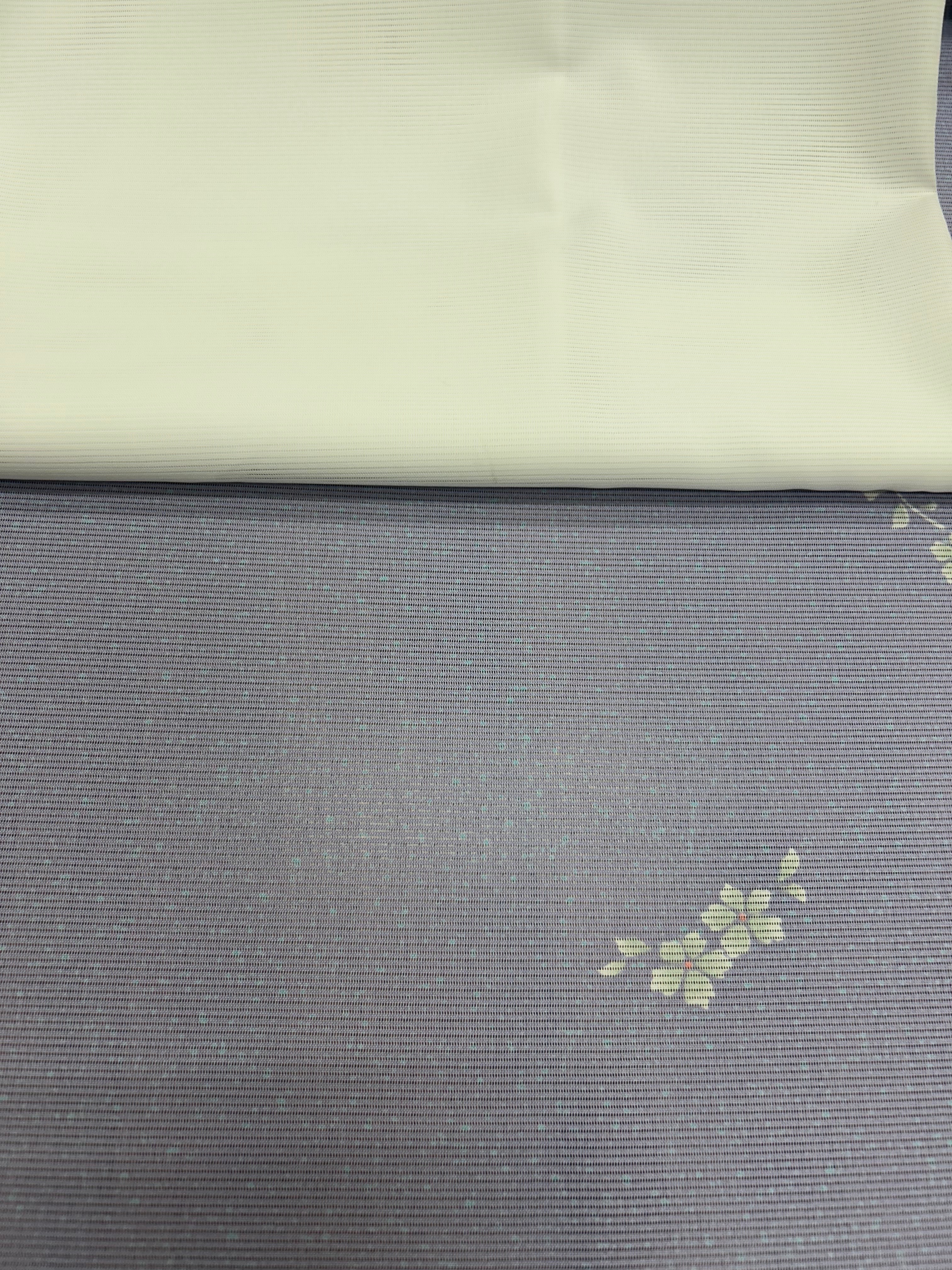
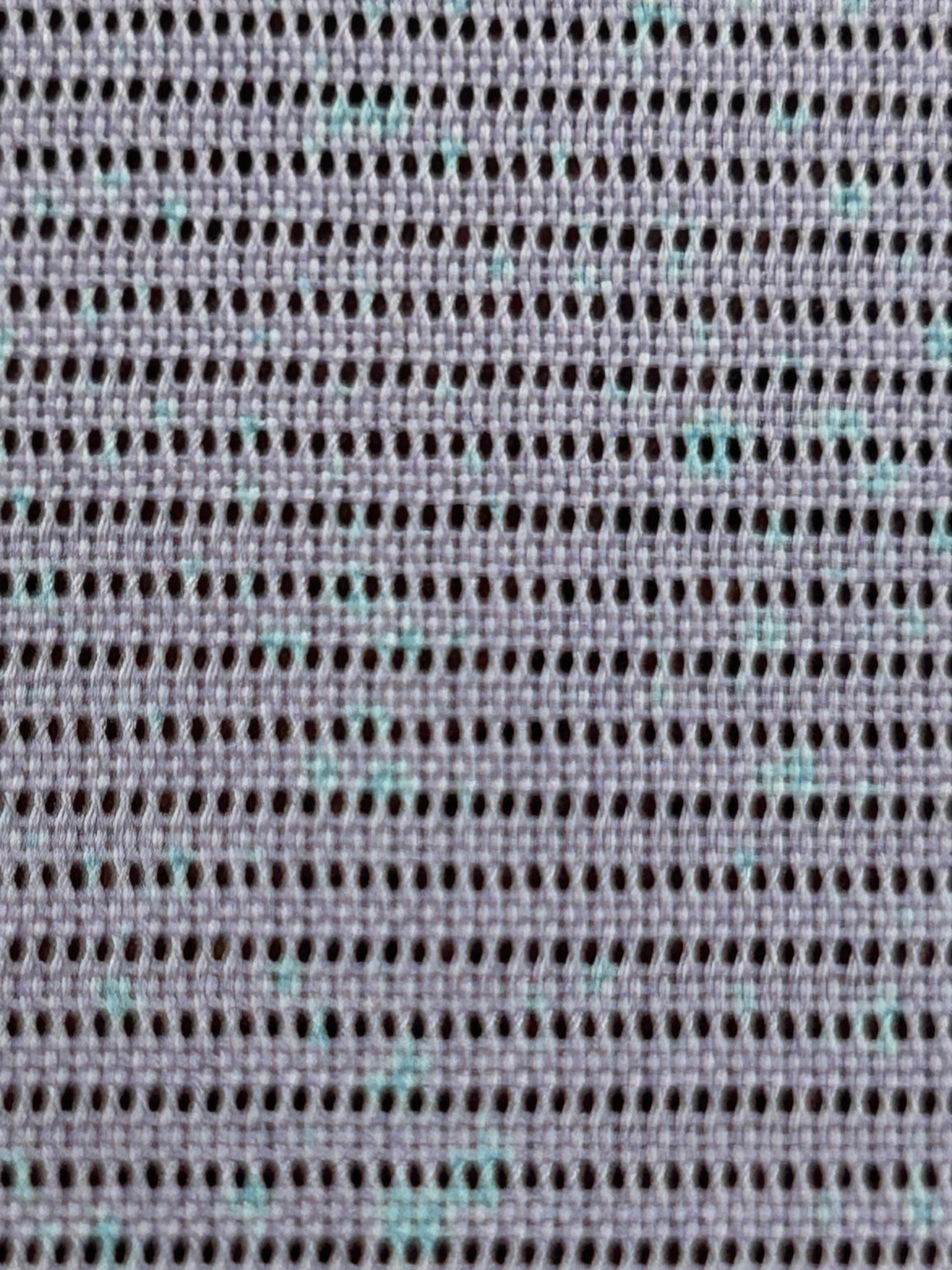
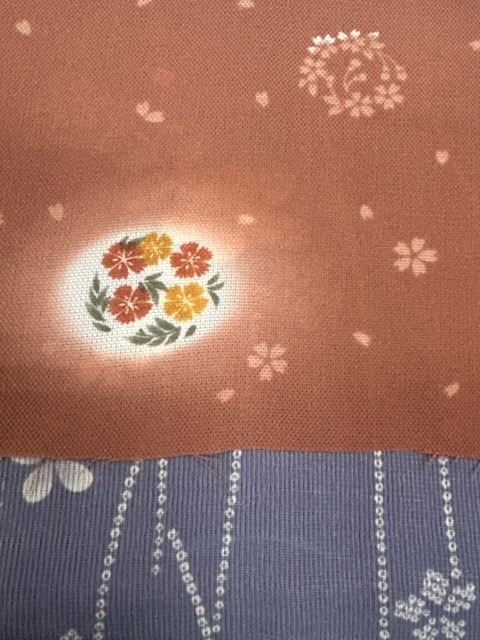
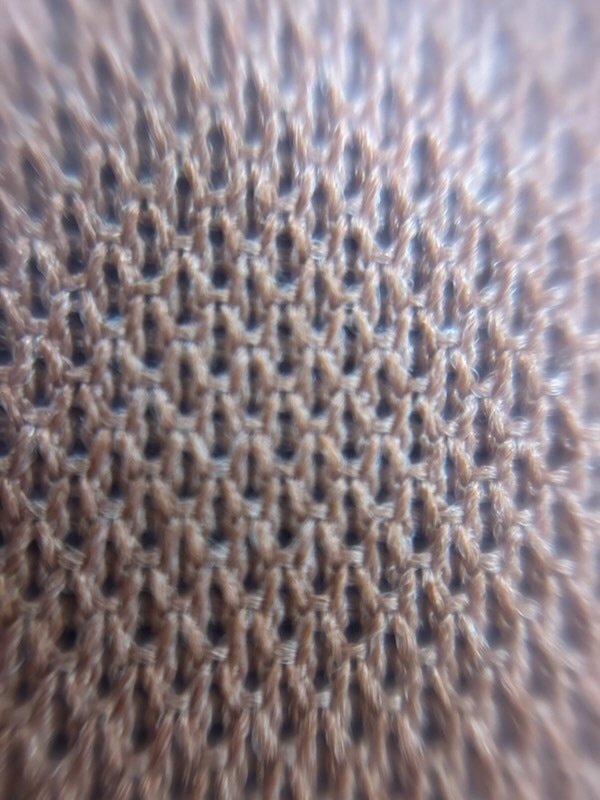
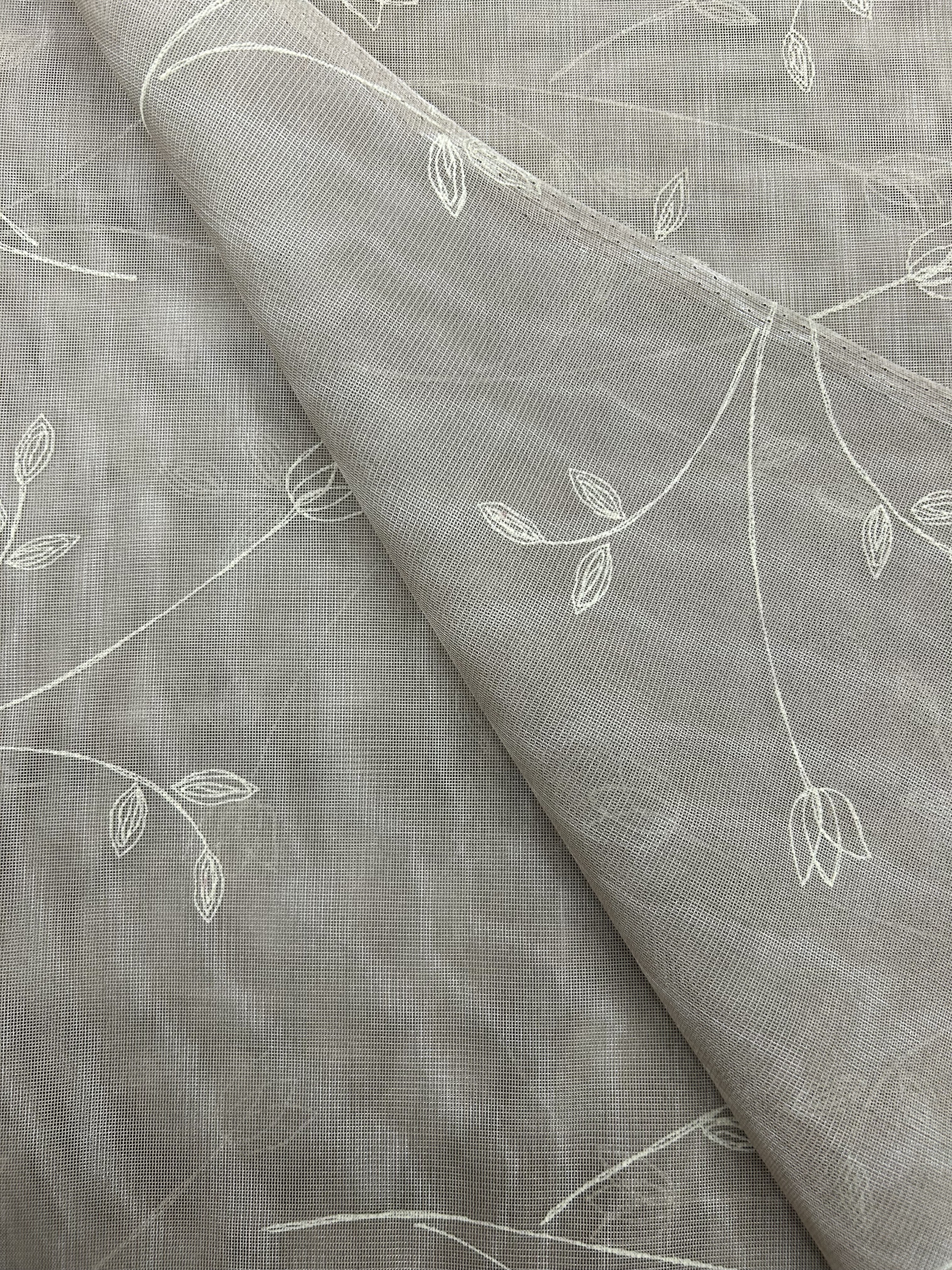
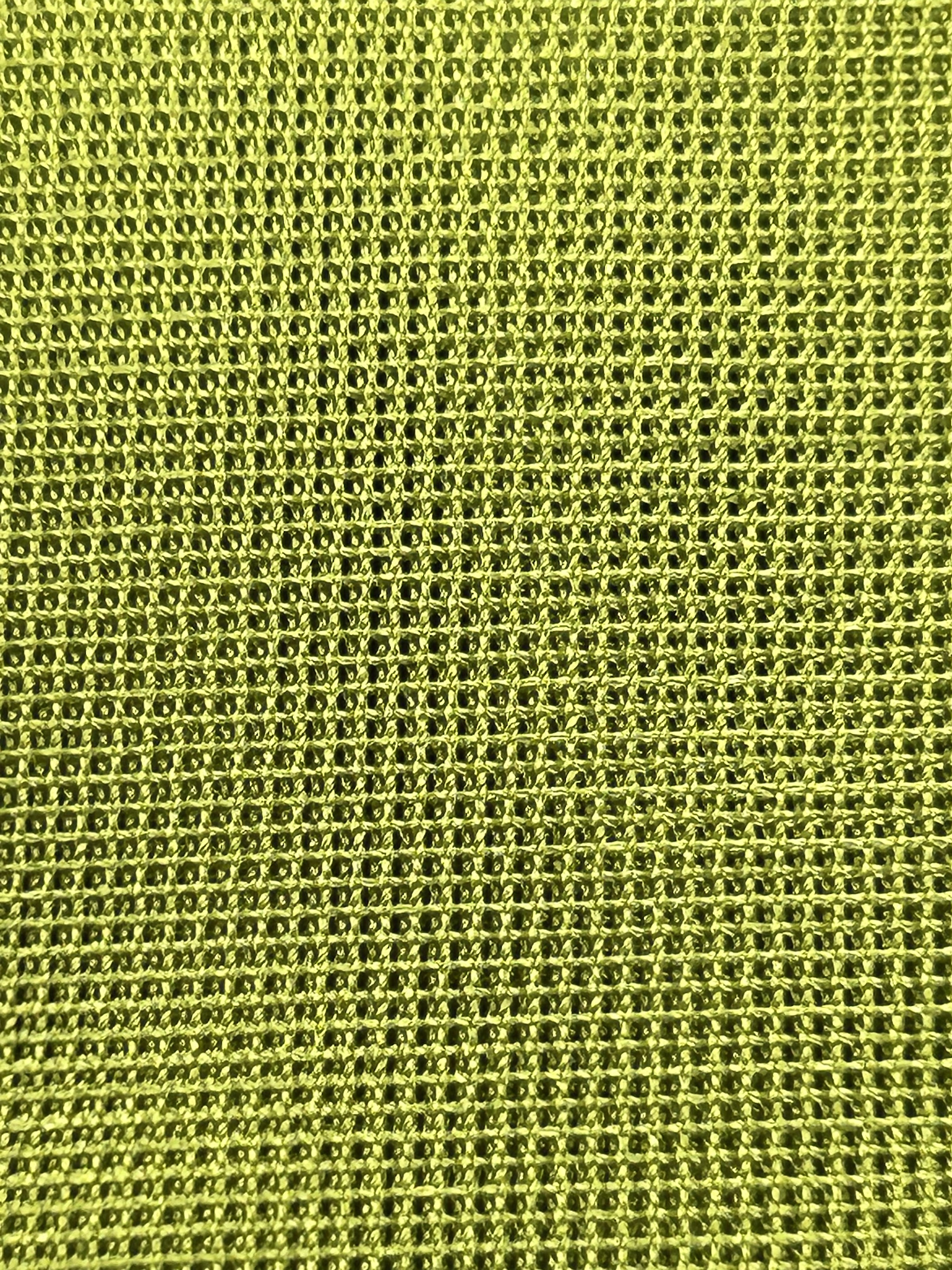
SHALO (紗絽) takes its name from Sha and Ro, the two weaves that stand for Karami, and carries our intention to bring an inherited craft into the future. Having woven the cloth for Buddhist robes in Noto for many years, we now bring that skill, and the spirit of Zen, into everyday life.
Products
PRODUCTSComing soon
Fabrics
FABRICSRa 1(羅1)
Ra 2(羅2)
Ro(絽)
MSS
Sha(紗)
Swipe left or right to browse fabrics. Use the buttons below to select a photo.
Check pattern(格子柄)
1 / 6Fabric characteristics
CHARACTERISTICSBreathability
BREATHABILITY
Continuous openings run through the cloth, letting air, heat and water vapour pass. In clothing this carries the warmth and moisture the body gives off away from the skin, working against the feeling of being stifled. The same property — not shutting air out — extends beyond clothing to filters, netting and industrial materials. The point is not that a thin cloth lets wind through: the passage for air is built into the weave structure itself.
Transparency
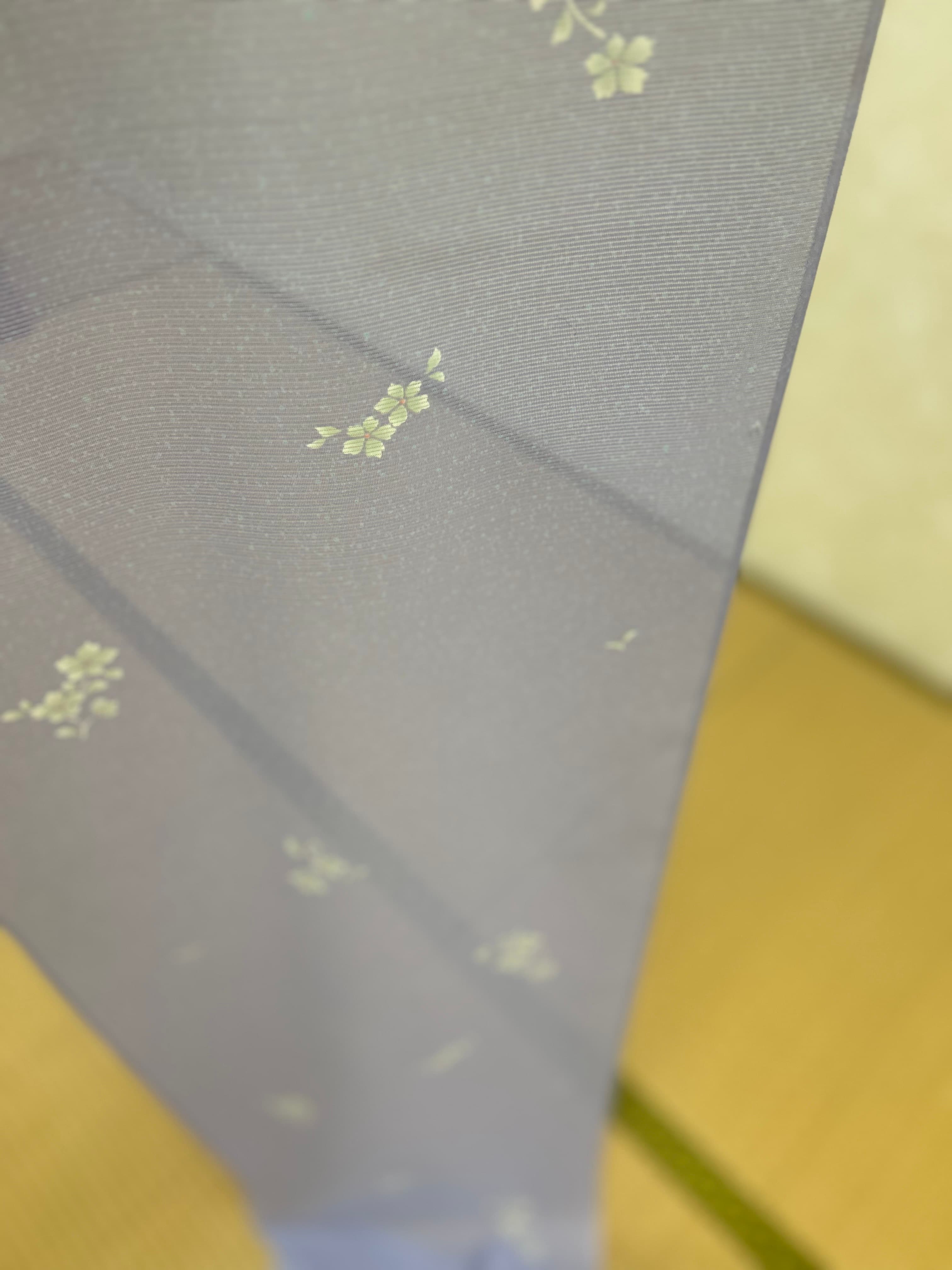
TRANSPARENCY
By changing the size and arrangement of the space between threads, Karami weaving controls how light passes through. A fine, even openness; a net-like structure with larger apertures; a soft haze through which the other side is just visible — the degree of transparency can be designed on purpose. Combined with the colour, thickness, lustre and material of the yarn, the cloth can be made to do more than transmit light: it can be given reflection and shadow as well.
Texture
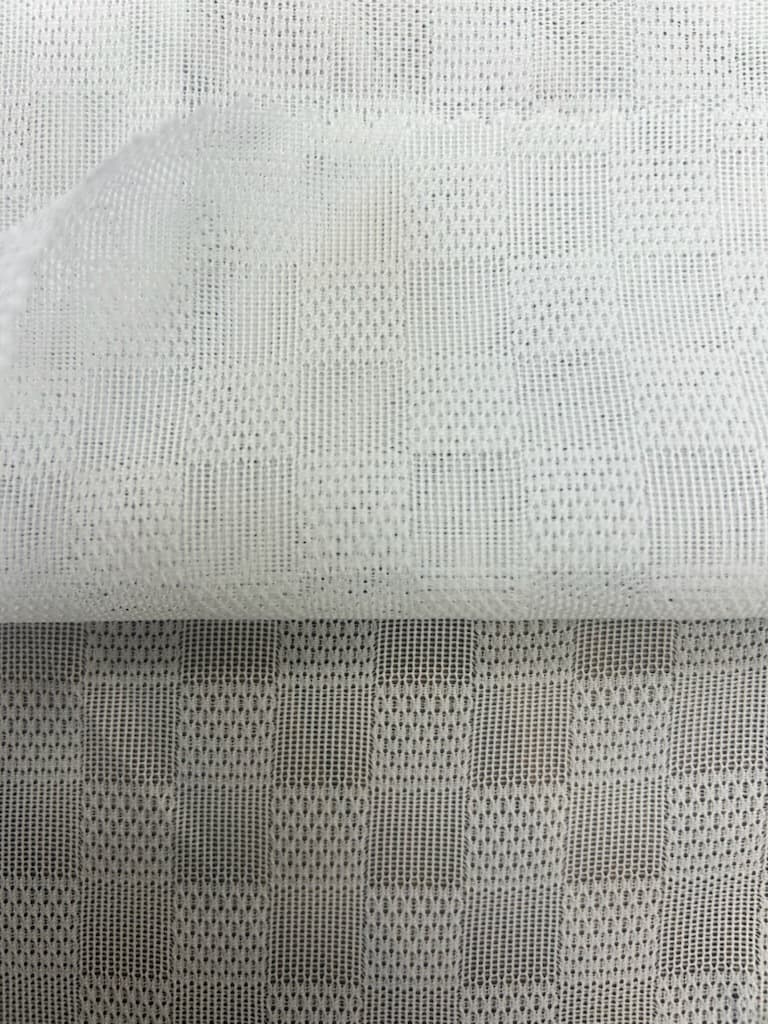
TEXTURE
Because the crossing and locking of the threads appears on the surface itself, the cloth carries a distinctive relief, shadow and depth. Changing the thickness, twist, material, density and lustre of the yarn can make it smooth, coarse and sculptural, or fine and intricate. The way the threads overlap and the space reads shifts with the viewing angle and the fall of light. The surface can therefore be designed through the weave structure as the pattern itself, rather than printed on afterwards.
For questions about the products, or to discuss stocking them, please get in touch.
Ask about the products