Journal
JOURNALArticles on the technology, history and process behind Leno Weaving.
Preserving Zen Culture
- 01Pets and Zen | Reflections on Life through Stories of Monks and Animals
A kōan about a dog, a local tale of Ryōkan, Sengai’s puppy and the sparrow mourned by Ikkyū: stories and works of art invite us to reflect on the lives we share with animals.
- 02Zen no Sato, Part 2 | The Beginnings of Sōjiji and Messages in Dreams
Before Sōjiji was founded, Noto already had places of prayer and practice. Explore its beginnings at Morookadera through traditions about Keizan and Jōken’s dreams and a surviving deed of donation.
- 03Iron Trees Put Forth Branches, Stone Trees Bloom
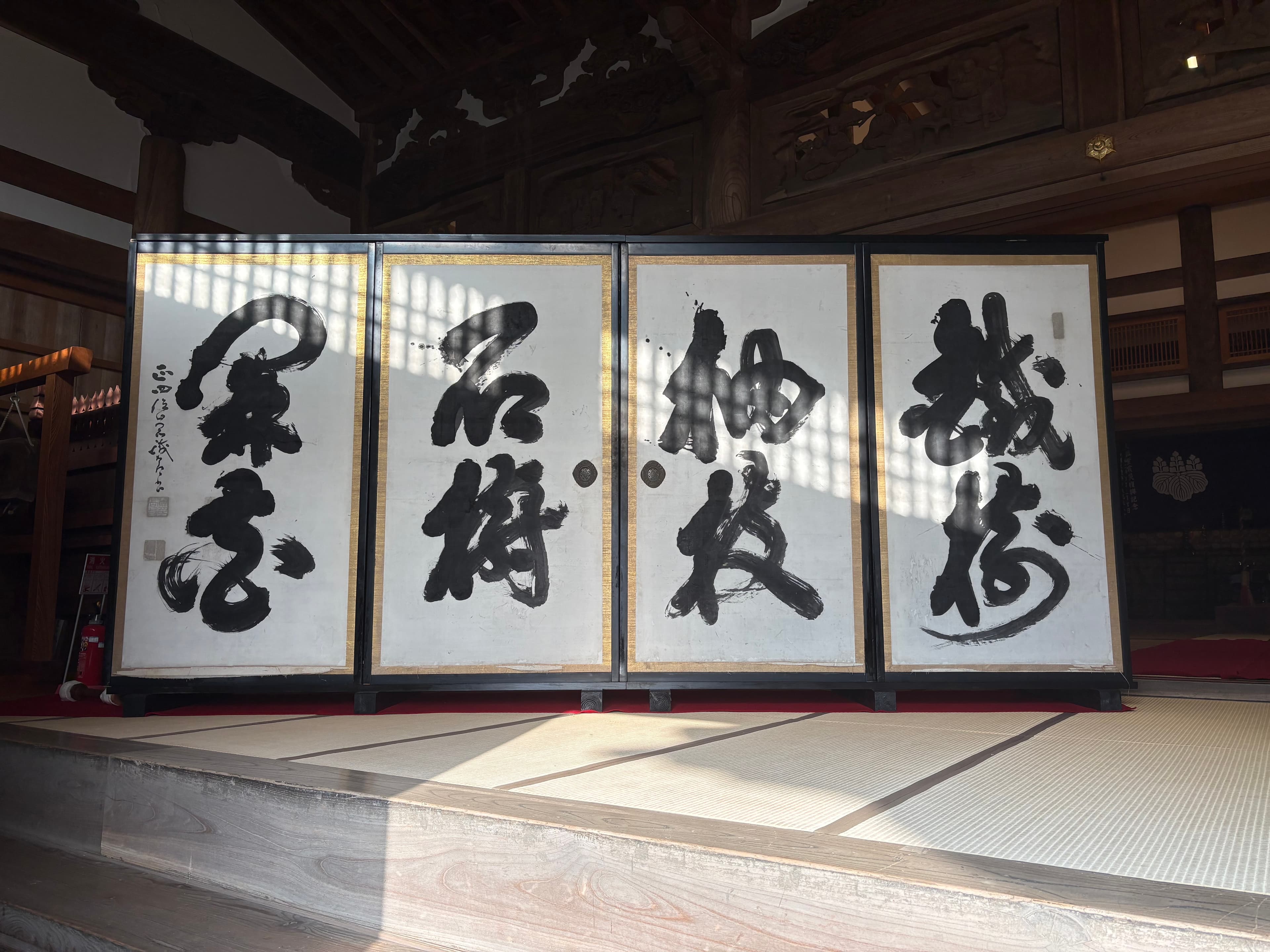
Explore the meaning of a Zen phrase in Yamaoka Tesshū’s calligraphy at Sōjiji Soin in Noto: branches growing from iron trees and flowers blooming on stone trees.
- 04Zen no Sato, Part 1 | Why does Sōtō Zen have two head temples?
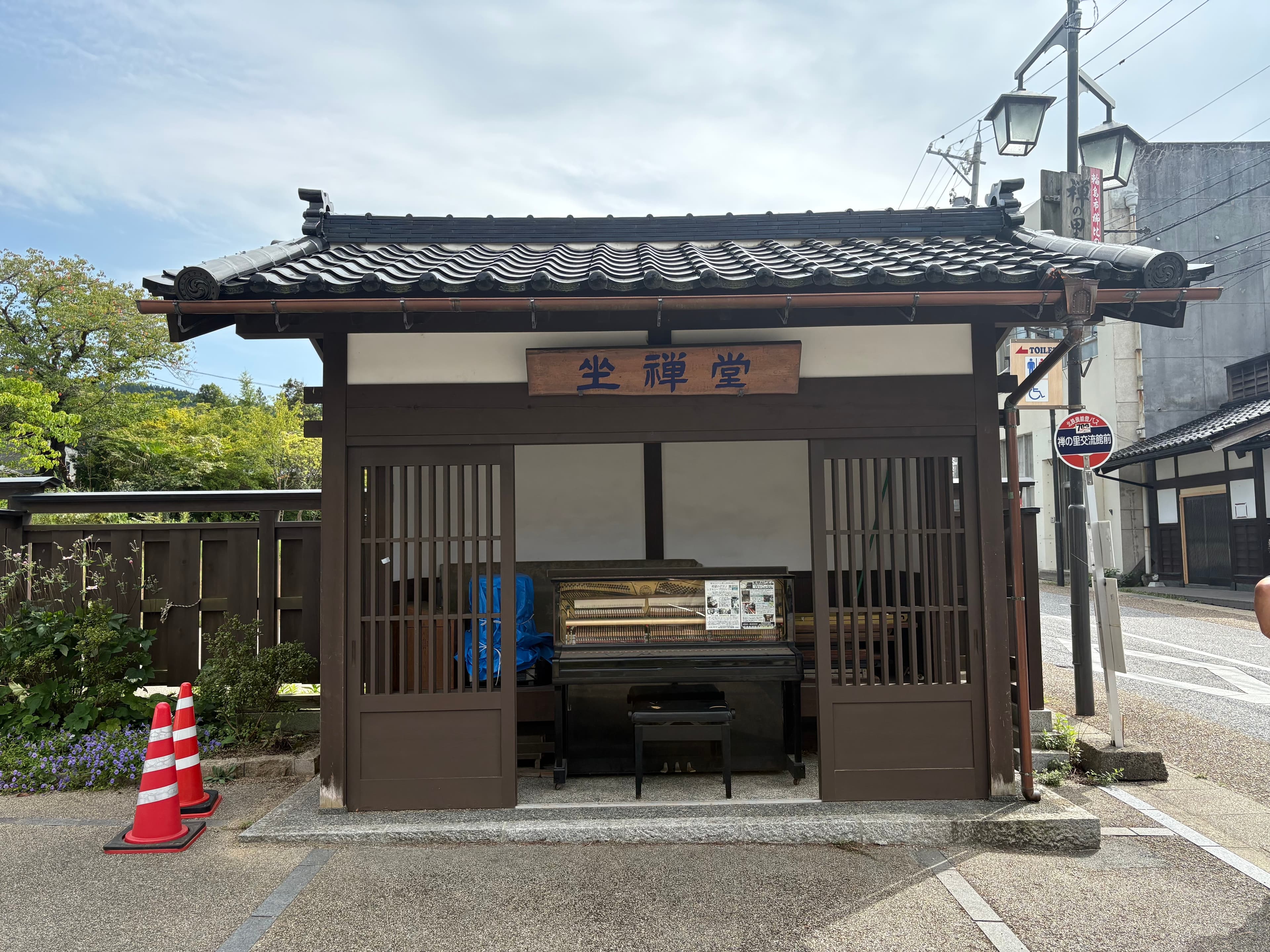
Explore Eiheiji and Sōjiji, the two head temples of Sōtō Zen, through Zen no Sato in Monzen, Noto: Dōgen, Keizan Jōkin and the temples’ historical roles.
- 05Weaving on, to meet the demand for kesa
Much of the kesa worn in Japan begins as a length of cloth leaving our mill in Hakui.
Recovery and Rebuilding
- 01What Reconstruction Preserved at Sojiji Soin
Sojiji Soin completed a 14-year reconstruction in 2021 at a cost of approximately ¥4 billion. On site, a construction professional and Deputy Administrator Takashima explained how that work helped leave the temple in a condition from which it could recover again.
- 02The Noto Earthquake and Sōjiji
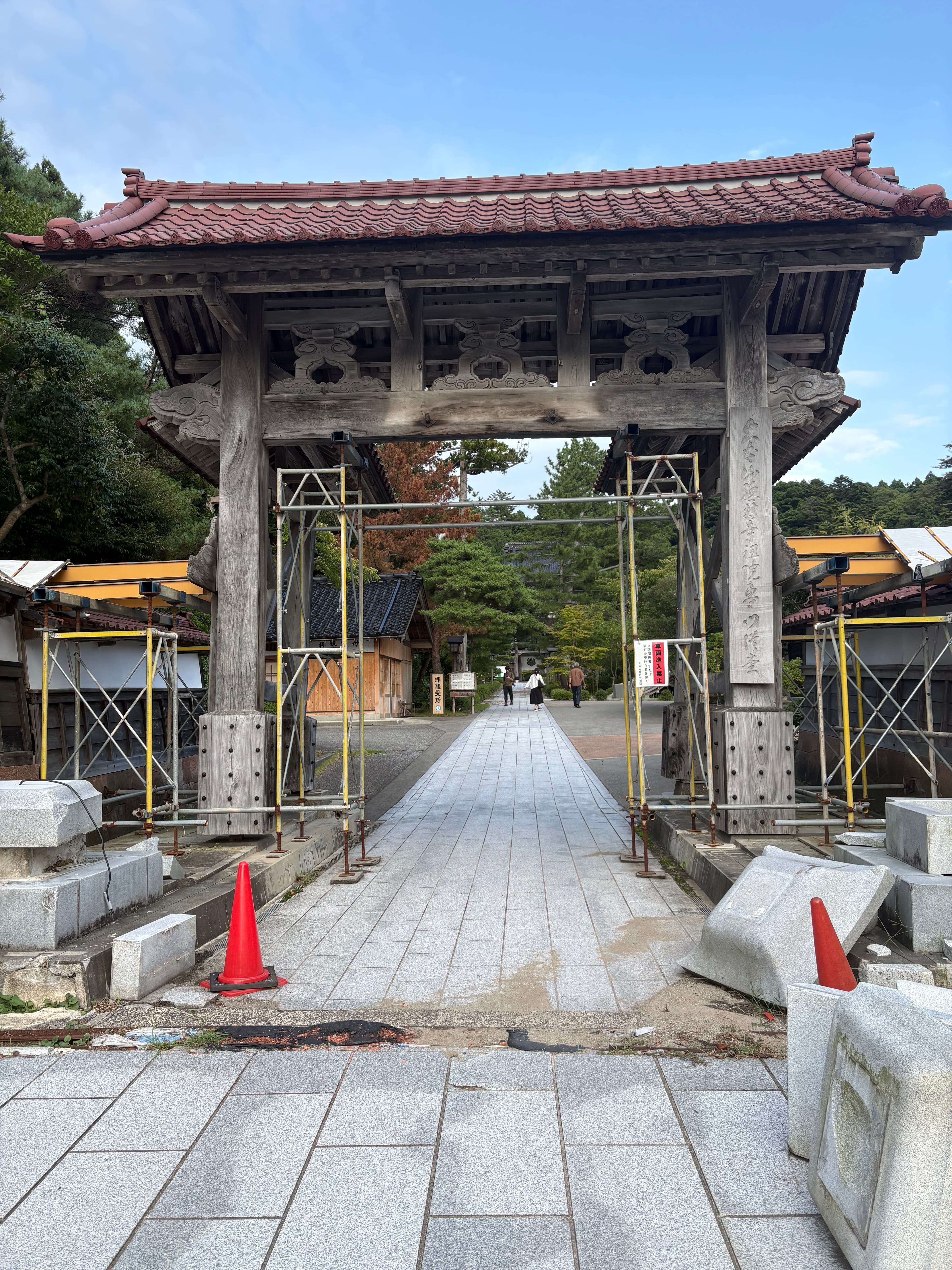
Scaffolding around the gate of Sōjiji Soin, a stone monument turned 180 degrees, and a priest’s account of shaking that felt rotational reveal traces of the 2024 Noto Peninsula earthquake.
The Craft of Leno Weaving
- 01Hakui Grand Festival and Ra, a textile historically used for eboshi
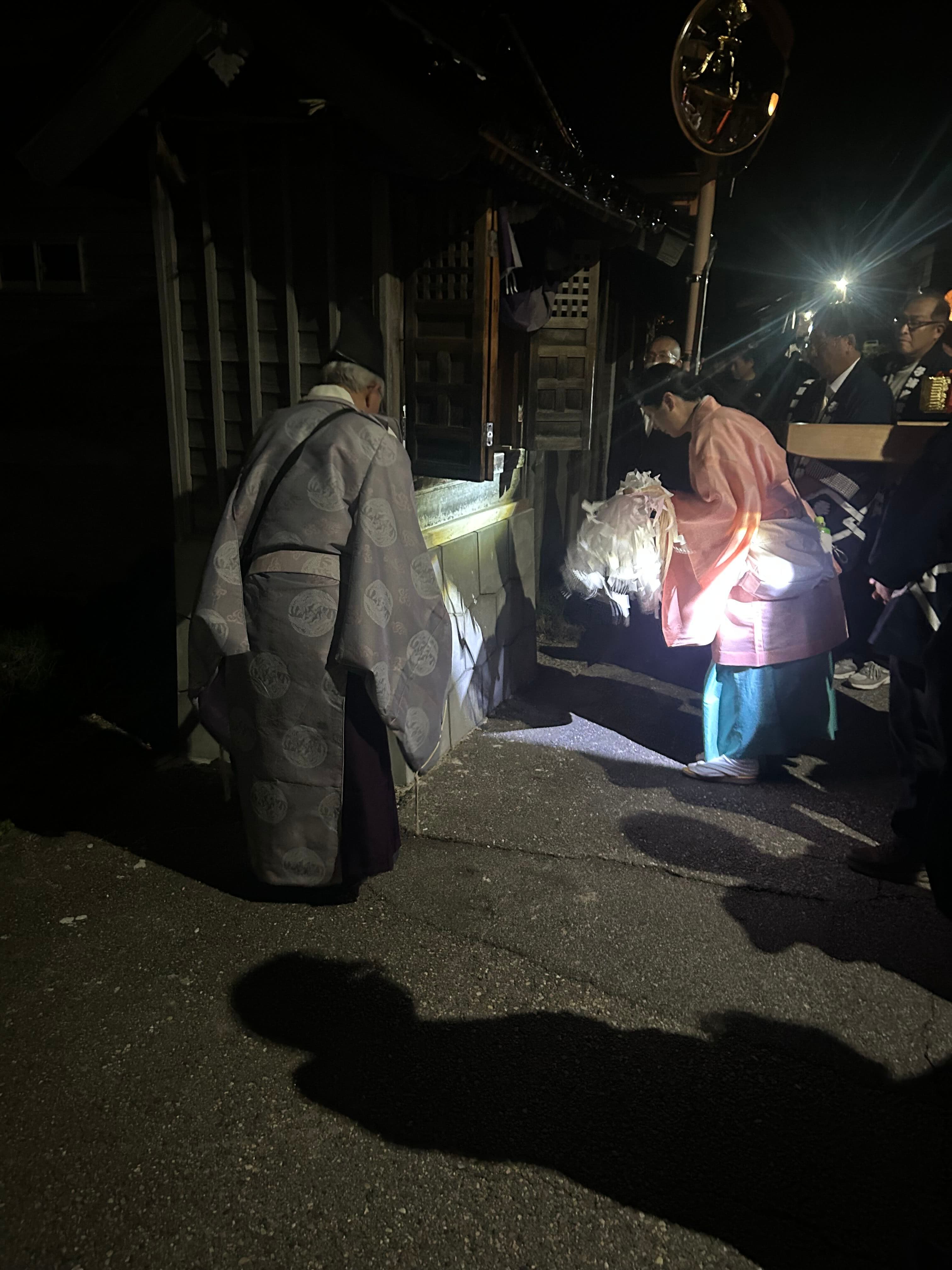
Explore the September 2026 Hakui Grand Festival, the historical link between eboshi and Ra (complex gauze weave), and Leno Weaving at Technowin in Noto today.
- 02From Tazuruhama Orimono to Technowin
Weaving knowledge brought from Kiryu to Noto, the transition to rapier looms, and the integration of five textile operations in 2004. A history shared by Kitayama.
- 03From an even mesh to the character of a garment
The same crossing of threads, but a regular mesh and a rich surface call for different conditions.
- 04The difficulty of repeating by machine what a hand can adjust
Turning what a weaver settles pick by pick into a mechanism that holds, repeat after repeat.
More articles will follow.